Conversion of J. Hudson Taylor:
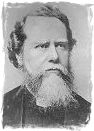 J.
Hudson Taylor, of the China Inland Mission, was saved when a lad, through
reading a Gospel tract which he found in his father's library. He had been
frequently troubled about his soul, and had again and again "tried" to
become a Christian, but had failed so often that he concluded there was
no use in him "trying."
J.
Hudson Taylor, of the China Inland Mission, was saved when a lad, through
reading a Gospel tract which he found in his father's library. He had been
frequently troubled about his soul, and had again and again "tried" to
become a Christian, but had failed so often that he concluded there was
no use in him "trying."
His conversion occurred in this way. On the afternoon of a holiday, whilst looking over some booklets and tracts in his father's library, he came across one which appeared more attractive than the others. He glanced at it, and then sat down to read the story, resolving to omit the application. When he took up the tract, as he himself testified, he was in an utterly unconcerned state, and had made up his mind to lay it down whenever it began to be "prosy."
At the time when he was perusing the little Gospel message, his mother was on her knees in her bedroom, seventy miles distant, pleading with God for the conversion of her only boy. Whilst on a visit to some friends, at the time alluded to, she became so burdened and exercised about Hudson's spiritual and eternal welfare that she turned the key in her bedroom door, and on bended knees, resolved that she would not leave the room until the Lord had saved him.
Hour after hour she continued in fervent, importunate, believing prayer. Suddenly she felt she could no longer pray for his conversion. Thoroughly persuaded that God had answered her petitions and given her the desire of her heart, she poured out her soul in thanksgiving and praise to God for the salvation of her boy.
Strange as it may appear to some, at that very time the lad had come to an expression in the tract, which he could not at first understand. It is one which is often employed by preachers of the Gospel, and is full of deep meaning and significance— "The finished work of Christ."
"Why did the author say 'the finished work' instead of the propitiatory work?" was the question that came before him. "What was finished?" he asked himself; "a full and perfect atonement and satisfaction for sin was made, and the debt was paid," he mentally replied. "Then," thought he, "if the work of atonement is finished, if the mighty debt of sin is paid, what is there left for me to do?" In a moment God's wondrous salvation was apprehended. He perceived that on account of what the Lord Jesus had done and suffered, Divine justice was satisfied, and by believing on Him who bore the wrath and curse due to sin, he was saved and had eternal life.
On his mother's return, he hastened to tell her the story of his conversion, and having done so, he was more than surprised when he heard her narrative.
His labours for China, in founding and guiding the C.I.M. [China Inland Mission], with 1000 missionaries in the field, are so well known that they need not be rehearsed here.
From Twice-Born Men: True Conversion Records of 100 Well-Known Men in All Ranks of Life compiled by Hy. Pickering. London: Pickering & Inglis, [193-?]
>> More Hudson Taylor